
What were we up to in 1996?
Julian Stuhler
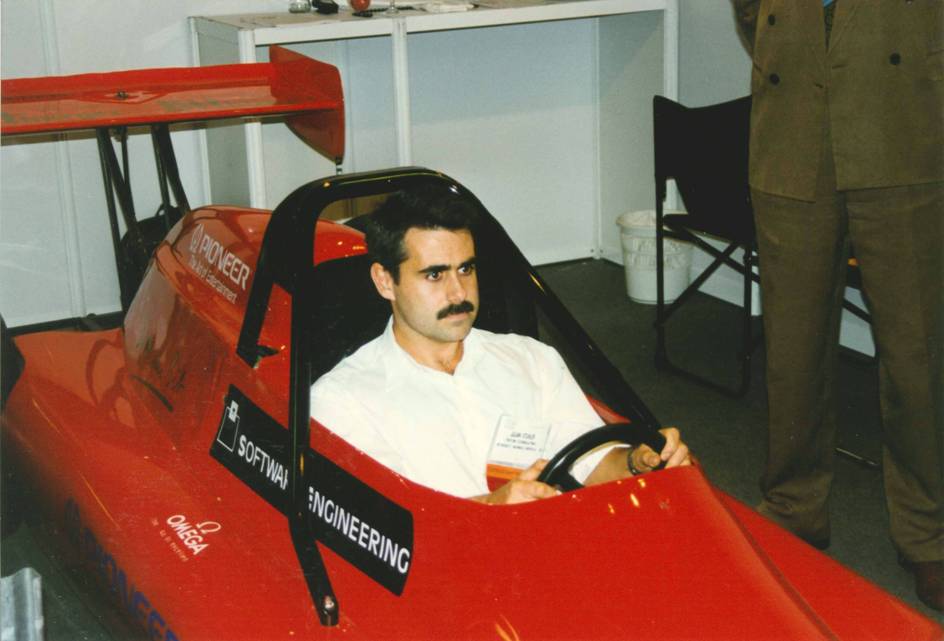
Hmmm, what was I doing 30 years ago?
In early 1996 I was 3 years in to my career as an independent IT consultant, having made the somewhat brave (my wife called it stupid) decision to quit my job at Norwich Union (now Aviva) in 1993 and use my DB2 for z/OS skills to go contracting. Why so brave/stupid? Well, we had two young daughters (one aged 5 and the other just 9 months), my wife had left work so I was the only breadwinner, and I swapped a stable, well-paid job in Norwich with a 20-minute commute, for a contract 3 hours away in Milton Keynes. Oh, and that contract was only for 2 weeks work….
Luckily, that initial 2-week contract turned into a much chunkier 3 year assignment. A company called Mercury Communications had been set up as a competitor to BT, and they had decided that their new customer billing system would be based on DB2 – another “brave” choice given that IMS was still the de-facto standard for mainframe database systems, and Mercury had absolutely no previous experience with DB2. So, my colleague Mike Kyrkos (who left Norwich Union at the same time) and I were brought in to help set up their environment and ensure that their shiny new billing system met expectations.
The project hours were long and demanding, so Mike and I rented a house in Milton Keynes during the week and shared driving duties to and from East Anglia. Those trips were something of a musical education for both of us: I gained a lifelong appreciation for delta blues and prog rock from Mike, while doing my best to drag him into the 80s and 90s with material from the likes of Ocean Colour Scene, The Style Council and Queen.
Back at Mercury Communications, the initial performance indications for the new system were not good. Despite state-of-the-art technology (DB2 V3 running on brand new IBM ES/9000 mainframes, using 32-bit addressing for the first time) and a very well optimised DB2 system environment, the customer phone call volume was so high that the first tests of daily billing run were taking over 30 hours elapsed! Even more distressingly, it was using so much CPU that the total cost of each billing run exceeded the income Mercury made each day from the telephone calls, so it would have been cheaper for them to just offer their customers free calls and not run billing at all. This was not considered a sensible business strategy, so we turned our attention to optimising the application code, and eventually managed to bring both elapsed and CPU time down to much more reasonable levels. A valuable lesson that even the most highly-tuned system environment won’t help if the application code is rubbish!
By April 1996 the new system was live and running nicely, we’d helped to train/recruit a decent team to support it, and our time in Milton Keynes drew to a close. So, with a happy customer, another major successful implementation under our belts and a much better understanding of the consultancy market, Mike and I made yet another “brave” decision and set up a DB2 consultancy called Triton. As the saying goes, the rest is history…
Mark Gillis
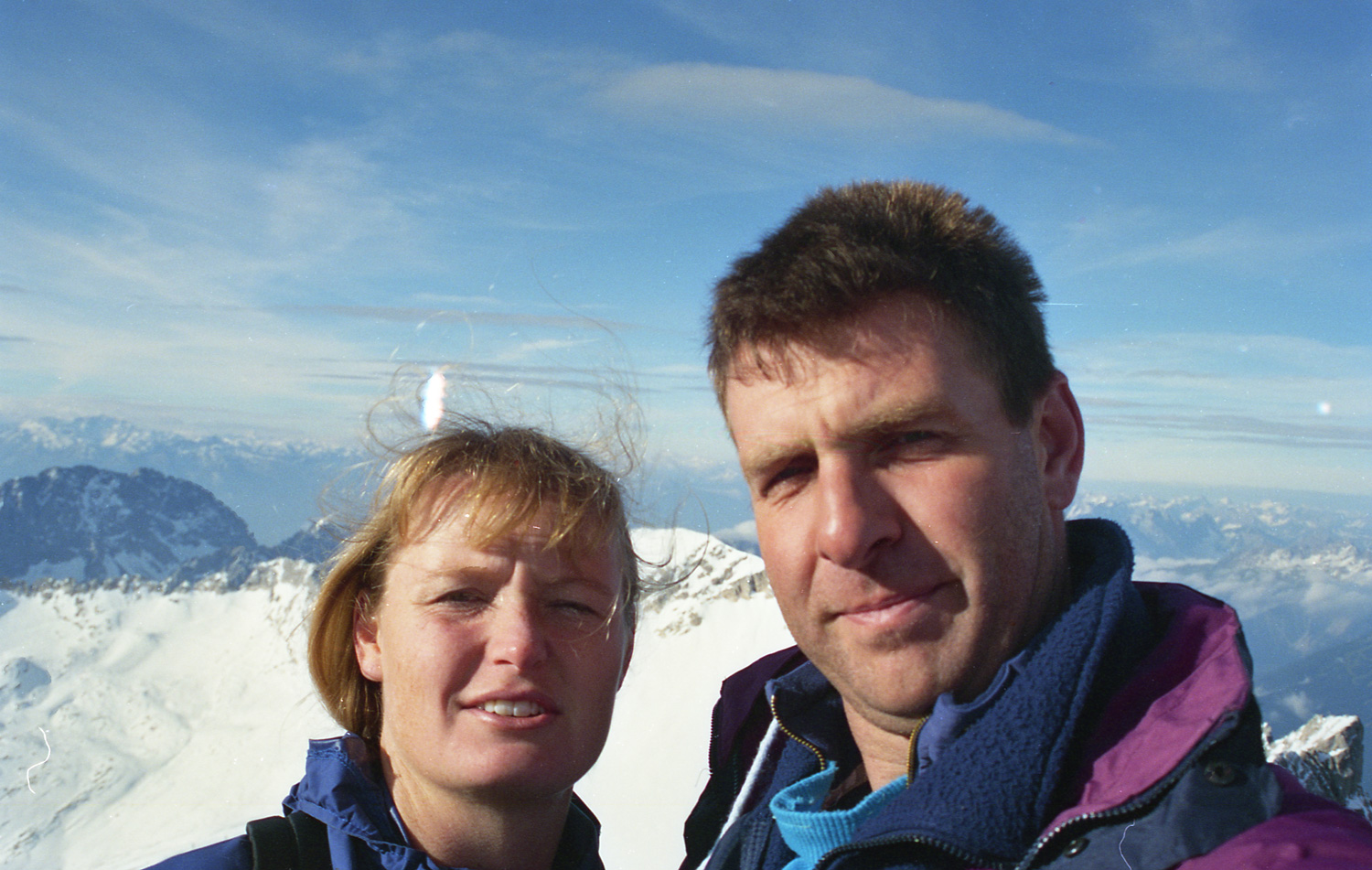 30 years ago I was still doing
 DB2 Db2 😉 contract work; according to my CV, one for Rank Xerox and one for the London Electricity Board in 1996. I seem to remember that both involved producing sticking-plaster solutions to problems inherent in a creaking and “sub-optimal” database design.
So that hasn’t changed, for a start.
I guess what has changed is the scale of the job rather than the technology. Sure, we’ve got Cloud based solutions and all sorts of natty extra functionality including (cover your ears if of a nervous disposition) AI. But it’s the numbers that have changed; the database sizes are colossal compared to 30 years ago; the number of transactions processed has sky-rocketed; the downtime allowed has shrunk to a pinprick.
But the fundamental problems remain:
- Keep all services up and running in an optimal state (regardless of any back-end or code changes)
- Don’t spend money making design changes; make it work as it is
- Don’t do anything (particularly performance improvements) that might represent a risk
plus ça change, plus c’est la même chose
Carol Davis-Mann
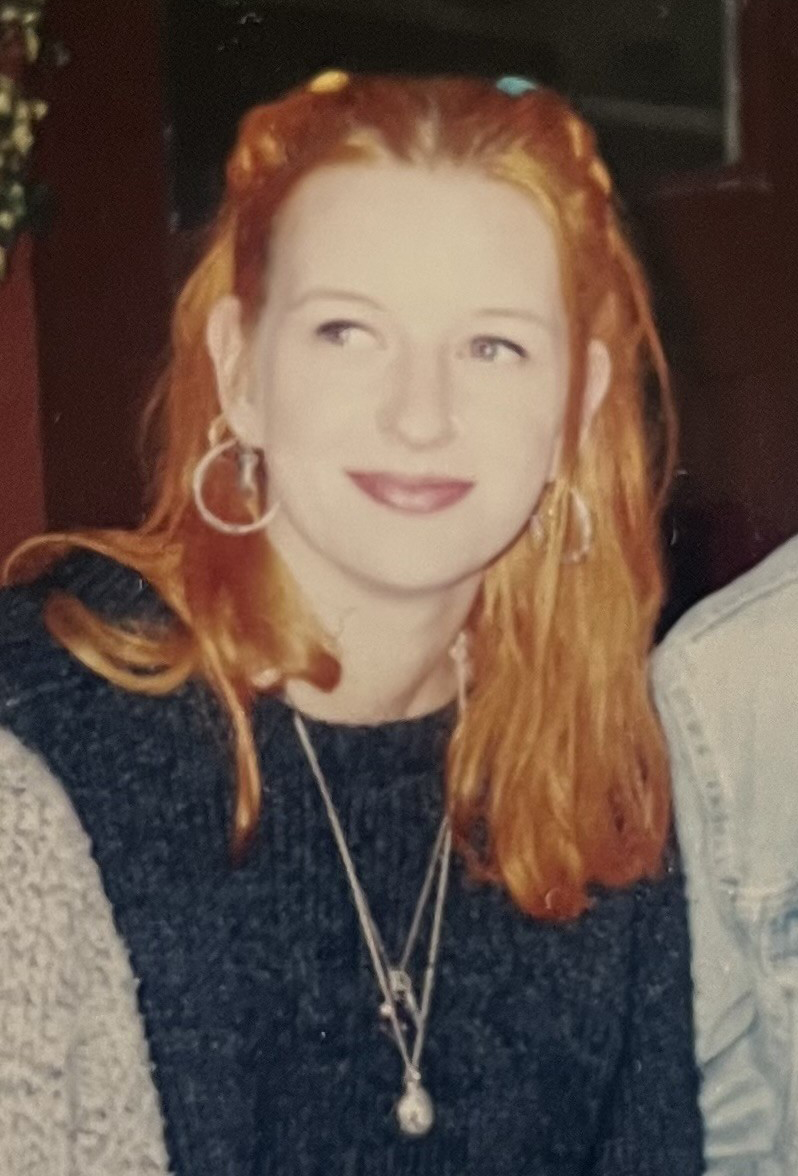
At the start of 1996, I was seeing out six months of Christmas cover at Andy’s Records in Norwich. When that finished, I landed a job at Our Price, also in Norwich, and it turned out to be one of the best jobs I’ve had (apart from Triton, of course….). I made friends there I’m still close to now, and got to know half of Norwich through the shop counter.
One of the perks was free gig tickets to The Waterfront and the UEA. In 1996 some of the bands I saw were Skunk Anansie, Leftfield, Suede, Longpigs and Space, all for nothing.
I stayed at Our Price for six years, working my way from sales assistant to product buyer, then regional coordinator, and finally into head office in Ealing. By 2000, at the height of the mobile phone boom, I was buying Virgin Mobile stock for all 206 Our Price stores.
Sam Jarratt
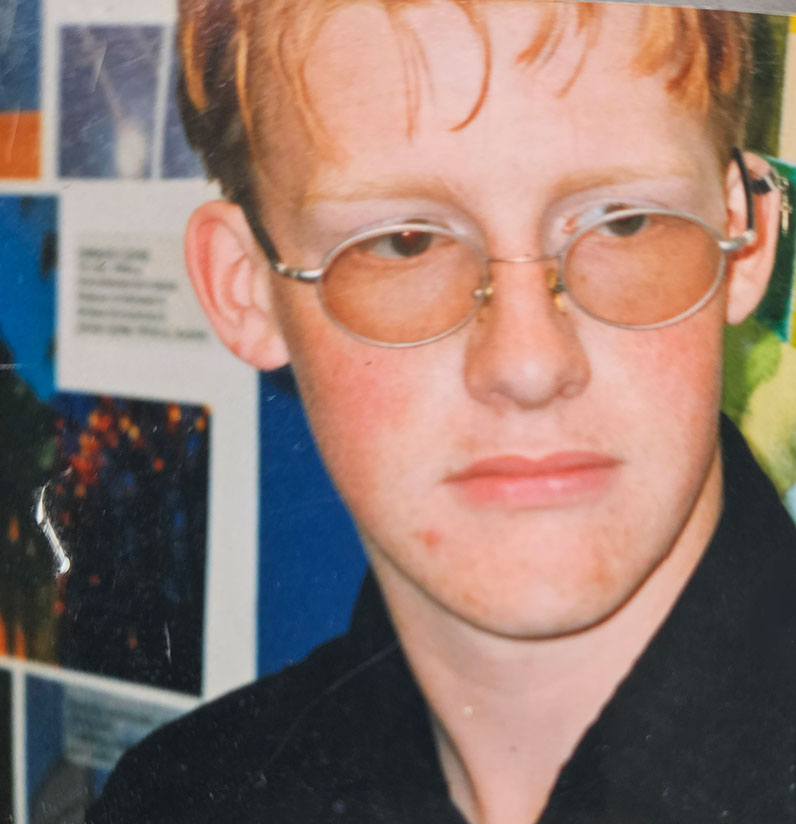
My workplace at the time was Thorpe St Andrew school and I would have been working with technologies such as the vacuum-moulding machine in technology and a little turtle that held a pen and drew a shape if you programmed the BBC computer. Only joking, that last one was several years earlier in middle school.
Projects at the time included painting a giant, bleeding carrot which my dad subsequently used to board up a broken pane in his greenhouse and designing a modular guinea pig hutch which broke on the way into school.
Damir Wilder
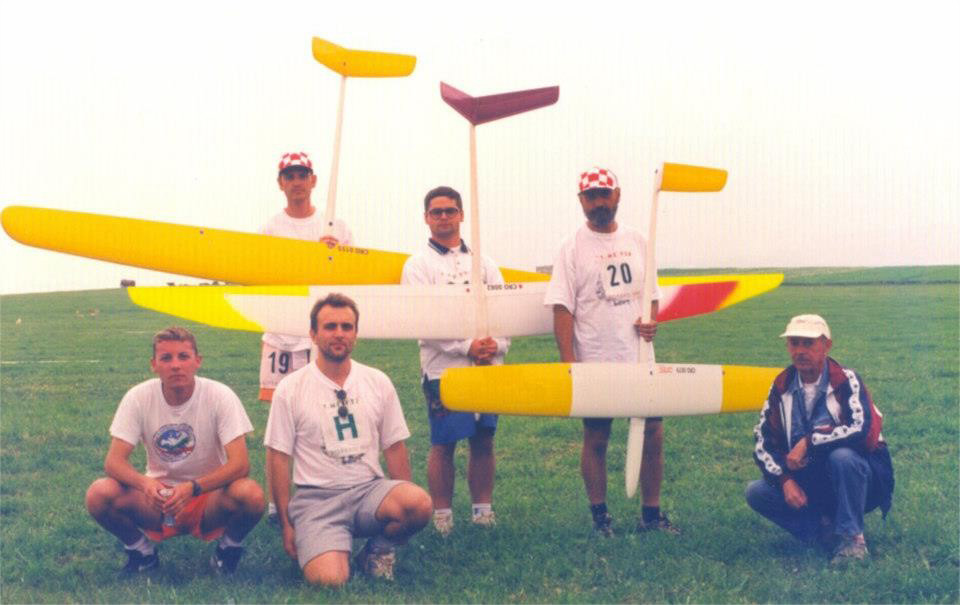
In 1996. I have only just graduated and was doing some post-graduate work at my university, mostly using Sun servers running the SunOS variant of the UNIX. There I also started learning how to write UNIX shell scripts, a powerful way of automating UNIX tasks and processes that would follow me throughout my career. We were using the ancient C Shell at the time and when we switched to the modern Z Shell with all its perks (command completion, functions, aliases, what not…), life suddenly became much more pleasant and enjoyable. Also, at the time, first public versions of the Linux operating system became available for download on the Internet. And I clearly remember us getting the stuff and then archiving it onto CDs – no one was allowed to walk and talk inside the “burner room”, while the CDs were being “burned”, for a (very real) fear of damaging the CD during the writing (“burning”) process. Those first CD “burners” were so volatile. And CDs cost a lot of money back then, an especially big nuisance for unemployed students. And it took somewhere between 10 and 20 CDs to contain the whole installation image (together with the documentation, of course)!
Anyways, in the following year, I embarked upon my DBA career and never looked back since 😊
Alan Roberts
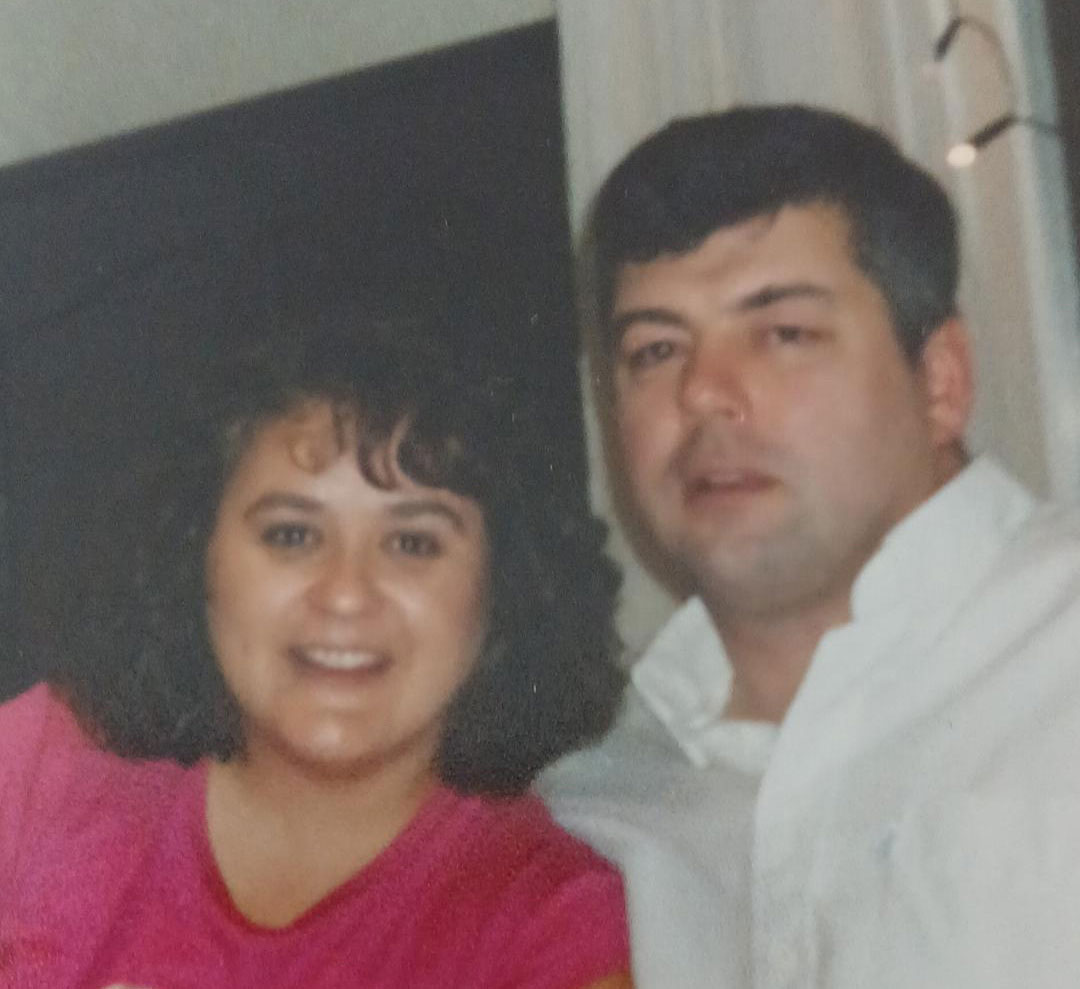 1996 and all that
It seems like forever ago, on a personal note I was 31, no blond highlights in those days!!! Three children aged 6, 4 and 1 and playing rugby for fun. In all likelihood Viv and I were probably just about getting by day by day with a family that young.
Technology wise the Storagetek 4400 Robot Cartridge loader had not long been installed and we still had a couple of systems with loadable disks. The IBM 3800 Laser printer, picture below, was still in use but the days of printer stations out on the office floor were fast making it redundant.
It was about then that I took the decision to come off shift as an Operations Team Leader for Nuclear Electric. An opportunity had arisen in the DB2 Team and I was, after many years, tired of working shifts. It was a big decision as losing the shift allowance was a big deal in those days. The systems we ran didn’t run the Nuclear power stations but held information such as wiring diagrams and building maps. I remember an application called Compass which I think was used for the financial side of things. Applications were bought in so not a lot of development but housekeeping and maintenance, new releases of the applications were part of my responsibilities. I don’t remember the first release I worked on but I think it must have been on V3.
I think the biggest changes since then are the internet, CPU and Storage. Things happen so much faster now than in those days. I remember a tape version of microcode being unreadable and the IBM engineer literally ironing it with a heavy object to try to make it readable, it worked by the way. Of course in 1996 we were just realising the implications of the millennium bug and that kept most of us busy for the next 4 years. One thing that hasn’t changed in 30 years though, a badly designed table is still a badly designed table.
Maryam Asghari
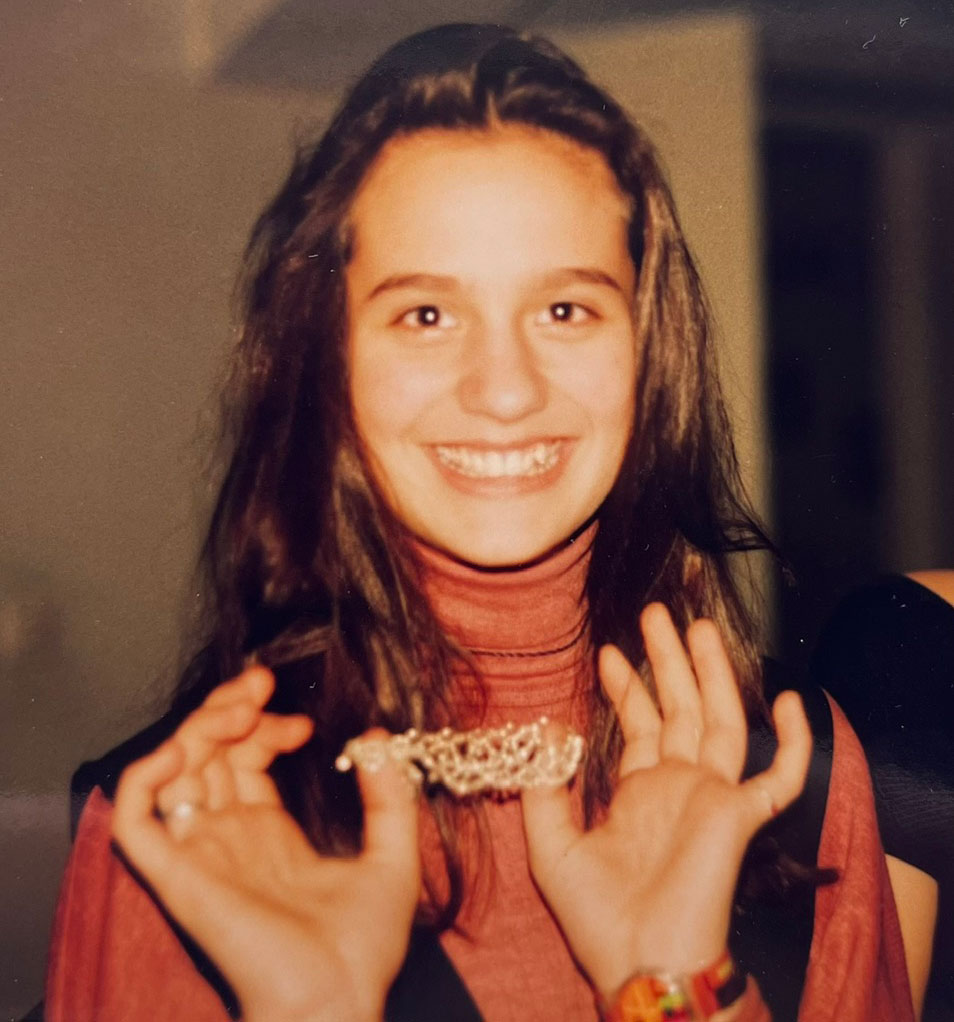
In 1996, I was a high school student in Tehran. When I wasn’t busy studying for exams, I spent my time making the most of our long three-month summer holidays.
Days were filled with cooking with my grandmother, swimming in our pool, hanging out with friends and listening to music. I rarely went anywhere without my Discman, usually playing The Prodigy, Guns N’ Roses and Soul II Soul classics like Back to Life and Keep On Movin’.
At home, my brothers and I were devoted Sega Mega Drive fans. Mortal Kombat was our game of choice, and I always selected Sonya. Much to my brothers’ frustration, I had mastered a particular move that helped me win far more often than they thought was fair.
Robert Philo
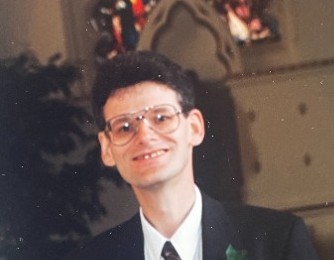 30 years ago I was managing the iSeries estate for Rentokil, then a FTSE 100 company. As the iSeries was the nearest the company got to a mainframe with a lot of the working being done by branch-based divisional systems, and the fundamental needs of customers to buy and sell goods and services and keep track of the money has not changed, I suspect that there is no technical reason for any of this to have changed.
At that time, I was supporting various iSeries systems in mainland Europe and the USA as well as in the company HQ in East Grinstead, and we had a major CISC to RISC system conversion for all our boxes which required hands-on assistance from me. So I was in effect acting as a consultant, going on site and assisting the local team with that and other upgrades. When I became a consultant in name on joining DataMirror in 2000, consultancy was still done on site apart from some off-site documentation or research. A screen-sharing tool like Webex took a few years to become established and initially was used primarily by Support. For the last seven or eight years I have done very little on-site consultancy, a trend driven by increasingly working from home, itself an effect of Covid, the expansion of meeting apps, and the fashion for UK companies to out-source operational support. That for me is the biggest change and enabled me to support multiple projects at once and be more productive.
Andy Sutton
I’m quite sure they had MVS/SP and still had paper tape when I first started lol. They used the old punch cards to take notes on.
Going back to 30 years ago, its amazing how little has changed from a software perspective.(see above) The biggest changes are the amount of storage used , the amount of memory and response times.
I was part of the Disaster Recovery team at Express Gifts, in those days all the tapes were loaded into the back of an estate car and driven to the recovery site in North London. We stayed in a Ramada hotel with a swimming pool. Our manager at the time went for a swim but couldn’t find the changing rooms. Nobody was in the pool area so he decided to do a quick change and go for his swim. He later went back to reception to pick up his room key to see a video screen behind the receptionist with the pool in full view. Lol
Wayne Hoath
1996 was a year before I moved into IT. I joined Lotus Development in 1997. In 1996 I was working on a project for British Gas in Staines producing data and statistics pertaining to gas service engineer productivity which was ultimately used to determine engineer and line manager bonuses or end their careers.
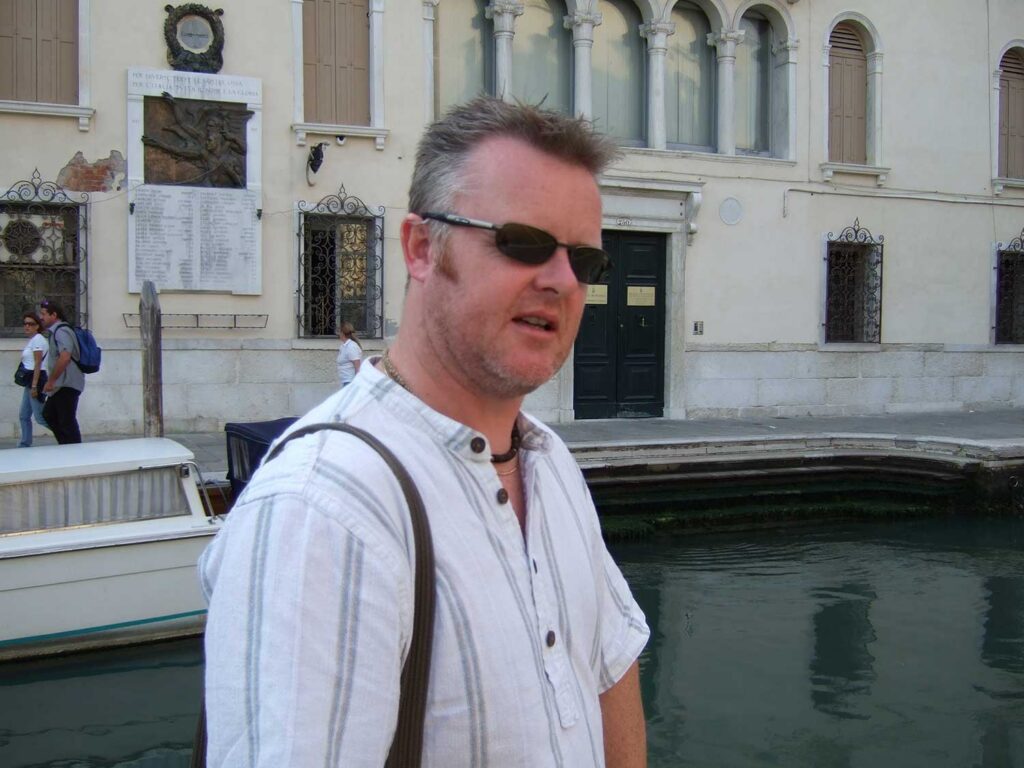
Rob Gould (left)
Paul Stoker (right)
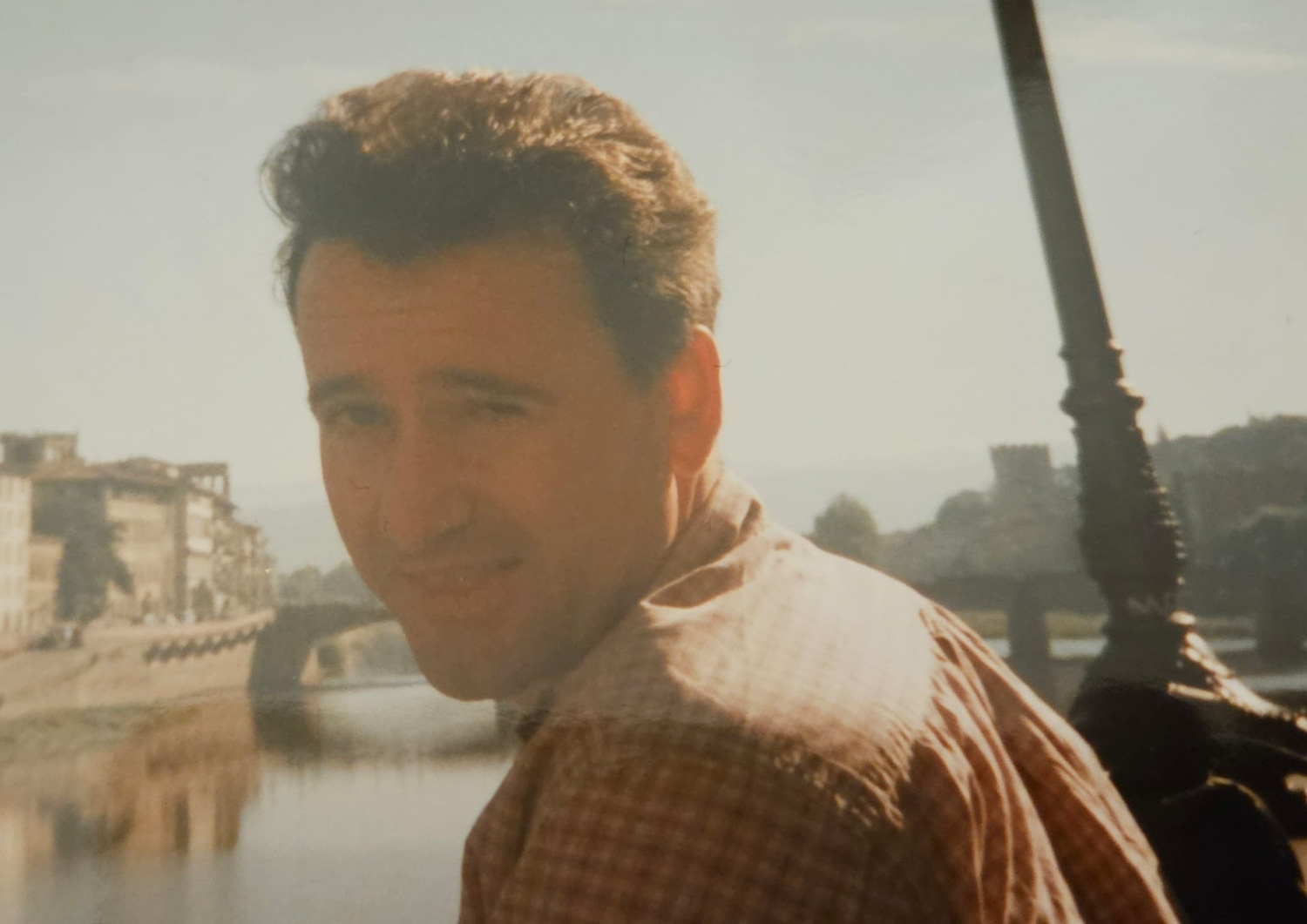
Triton at 30

From IDUG and Comms Days to Christmas celebrations and everything in between.
Take a look back at some of the people, places and moments that have made the last 30 years of Triton so memorable.

We’ve gone back to 1996 to test your memory.
Number one singles, box office hits, gadgets everyone wanted. How much do you actually remember? Take our quiz and find out.

While you’re looking through our 1996 archive, here’s something for your ears too.
We asked the team what they were listening to. The result is a Spotify playlist that’s exactly as 90s as you’d hope, plus a few older tracks.

From our first logo in 1996 to the site you’re on now, here’s how Triton has looked over the last three decades.
Some of it we’re proud of. Some of it definitely belongs in 1996.